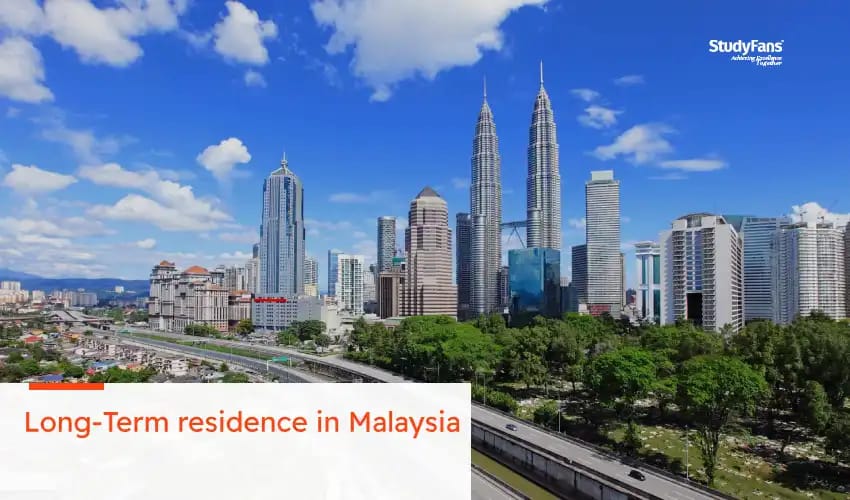

Is long-term residence in Malaysia worth considering? With its growing popularity among international students, professionals, and families, Malaysia offers a unique blend of affordable living costs, modern infrastructure, and diverse cultural experiences. In this article, you'll learn everything you need to know about long-term residency in Malaysia, including key advantages, potential challenges, lifestyle information, and real opportunities to help you make an informed and confident decision.
What Does Long-Term Residence in Malaysia Mean?
Long-term residency in Malaysia refers to staying in the country for an extended period under specific visa programs designed for foreigners. Unlike short-term residence, this type of stay allows individuals to live in Malaysia for several years, depending on the type of visa they hold.
The Malaysia My Second Home (MM2H) program is the most popular option, offering renewable long-term residence visas to foreigners who meet certain financial requirements. Other pathways, such as work permits for professionals employed by Malaysian companies and student visas for university students, also allow for longer stays.
Generally, long-term residency means having legal permission to stay in Malaysia for a period exceeding the usual time limits, with access to services such as housing, healthcare, and education. However, rights and conditions vary depending on the type of visa, including whether the holder is allowed to work or bring family members.
Long-Term Residence in Malaysia: Is it Worth it?
Malaysia is considered a practical option for long-term residency, especially for people who want a stable environment at an affordable cost of living. It offers a blend of modern amenities, cultural diversity, and readily available services, making daily life comfortable for both individuals and families. While it may not suit every lifestyle, it provides a well-balanced option for many expatriates.
Key Benefits of Long-Term Residence in Malaysia:
Safety and stability:
Malaysia generally enjoys a safe environment, with well-organized residential areas and clear legal systems. This helps residents feel secure in their daily lives, whether they live alone or with their families.
Reasonable cost of living:
Compared to many European or Gulf countries, living expenses, such as rent, food, and transportation, are lower. This allows residents to maintain a good standard of living without significant financial strain.
Modern Healthcare System:
The country boasts a well-developed healthcare sector, with both public and private hospitals offering reliable medical services. Many expatriates prefer private healthcare due to its accessibility and affordability.
High-Quality Education Options:
Families can choose from a wide range of international schools and universities. Most educational institutions use English as the primary language of instruction, making education accessible to international students.
Job and Investment Opportunities:
Job opportunities are available in sectors such as tourism, education, and digital services. However, securing a job may require specialized skills. Investment options, such as small businesses or real estate, are also popular among long-term residents.
Multicultural Environment:
Malaysia has diverse communities, including Malaysians, Chinese, Indians, and international residents. This diversity creates a flexible social environment where different cultures and religions are widely accepted.
Efficient Transportation:
Major cities offer well-organized public transportation systems, including trains and buses. Ride-hailing apps are also widely used, making daily commuting easier and more reliable.
Long-Stay Visa Options:
Programs such as Malaysia My Second Home (MM2H) allow foreigners to stay for extended periods with renewable visas. Other options are available for work or investment, depending on individual goals.
In general, long-term residency can be worthwhile in Malaysia for those seeking affordability, comfort and a diverse lifestyle, especially if they are flexible and open to adapting to a new environment.
Also Read: Studying in Malaysia
Challenges of Long-Term Residence in Malaysia
Although Malaysia offers many advantages for long-term living, there are also some practical challenges that residents may face over time, including:
Employment restrictions for foreigners:
Some sectors of employment are restricted to Malaysian citizens, and foreign residents typically need specific qualifications or employer sponsorship to work legally.
Language barrier in daily life:
Although English is widely used, especially in cities, learning Malay (Bahasa Melayu) is important for deeper integration into local communities and for conducting certain official transactions.
Administrative delays:
Some government procedures, such as visa or document processing, may take longer than expected, depending on the circumstances and requirements.
Changes in residency regulations:
Policies regarding long-term visas and programs like the Malaysian Second Residence Program (MM2H) may change over time, which could affect eligibility criteria and long-term planning for residents.
These factors do not prevent living in Malaysia, but they require flexibility and awareness when planning for long-term residency.
Requirements for Long-Term Residence in Malaysia
Long-term stay in Malaysia depends on the type of visa you apply for, but most programs share the basic requirements, which are designed to ensure the applicant can legally remain in Malaysia for an extended period. Main requirements include:
Proof of Financial Capacity:
Applicants are typically required to provide proof of a stable income or savings. For some programs, such as Malaysia My Second Home (MM2H), a fixed deposit in a Malaysian bank is required.
Valid Passport:
A valid passport (usually with at least 6 to 12 months of validity remaining, or longer depending on the program) is required for application and acceptance.
Medical Examination:
Some visa categories require a medical examination to ensure the applicant is fit to stay in the country or to reside there for an extended period.
Health Insurance:
Many long-term residency programs require applicants to have valid health insurance that covers their stay in Malaysia.
Clean criminal record:
A police certificate of good conduct may be required to confirm good character and eligibility.
Visa requirements:
Some programs have additional rules, such as minimum age requirements, investment requirements, or job sponsorship for work visas.
Main Options for Long-Term Residence in Malaysia
According to the Malaysian Immigration Department and the official guidelines of the Malaysia My Second Home (MM2H) program, this type of residency is designed for individuals wishing to live in Malaysia for retirement, study, or work, subject to specific conditions. The duration of the residency depends on the visa category and must comply with the renewal and eligibility rules set by the government.
Main long-term residence options:
Malaysia My Second Home (MM2H) Program:
A government-approved program that allows eligible foreigners to reside in Malaysia for several years on a renewable visa, subject to financial and health requirements.
Work Permit:
Granted to foreign professionals with a confirmed job offer from a Malaysian company who meet the skills and salary requirements.
Student Permit:
Granted to international students enrolled in accredited Malaysian educational institutions, allowing them to reside in Malaysia for the duration of their studies.
Investment-Based Residency (PVIP/MM2H Programs):
Certain long-term residency options are linked to financial investments or fixed deposits within government-approved residency programs.
These programs are supervised by the Malaysian immigration authorities and require applicants to meet financial stability, documentation, and legal requirements before approval.
Cost of Living for Long-Term Residence in Malaysia
The cost of living in Malaysia is generally considered moderate compared to many Western and Gulf countries. Expenses vary depending on lifestyle, city, and housing options, but overall Malaysia remains an affordable option for long-term residents. Main living costs include:
Accommodation:
Rent is one of the biggest expenses. In major cities like Kuala Lumpur, apartments in the central areas are more expensive, while the suburbs offer significantly lower prices. Many long-term residents choose condominiums or serviced apartments depending on their budget and lifestyle.
Food:
Daily meals are relatively affordable. Local restaurants and street food are inexpensive, while international cuisine and dining in tourist areas are more expensive. Grocery prices are also reasonable compared to many developed countries.
Transportation:
Public transportation in urban areas includes trains, buses, and ride-hailing services like Grab. Transportation costs are generally low, especially for those who rely on public transport instead of private cars.
Education:
International schools and private universities can be expensive, particularly those offering British or American curricula. However, there are also more affordable educational options, depending on the institution and its location.
Also Read: Study fees in Malaysia in English
Compared to other countries, Malaysia is generally less expensive than countries like the UK, Australia, and the UAE in terms of rent, food, and transportation. However, it may be slightly more expensive than some neighboring Southeast Asian countries, depending on the lifestyle and the chosen city.
How Can StudyFans Help You in Long-Term Residence in Malaysia?
StudyFans is presented as a guidance platform that supports students who are planning to study in Malaysia, which is often one of the main pathways to long-term residence through a student visa. The support is mainly focused on simplifying the admission and relocation process for international students through:
Assistance with university selection and admission:
Assisting students in choosing suitable Malaysian universities or colleges and helping them complete the application process correctly.
Assistance with obtaining a student visa:
Guiding applicants through the necessary steps to obtain a student residence permit, including preparing documents and coordinating with relevant authorities.
Program Guidelines:
Assisting students in selecting academic programs that align with their goals and may support their future opportunities to stay longer in Malaysia.
Supporting Settlement:
Providing basic guidance on accommodation options and helping students settle in after arriving in Malaysia.
Raising awareness of future paths:
Explaining the options available after graduation, such as continuing education or exploring job opportunities that may lead to a longer stay.
Conclusion
Long-term residence in Malaysia is a realistic option for those seeking stability, reasonable living costs, and access to quality education and healthcare in a safe and diverse environment. While the experience depends on individual goals and visa type, Malaysia continues to attract students, professionals, and families seeking a balanced lifestyle without significant financial strain. With proper planning and an understanding of the requirements, residency in Malaysia can be a practical and sustainable long-term choice.
If you wanted to know more or have any questions, we are here to help you and you can always contact us:
Phone: 00905437394024
Or via WhatsApp through this link.

![The Top 10 Universities in Türkiye [Worldwide Ranking]](/_next/image?url=https%3A%2F%2Fbackend.studyfans.com%2Fstorage%2Fmedia%2FPostTranslations%2Fimage%2F882%2FE7WXOQMpNbUZMo5P8Bjvt5WqhQPkmpvd2ajkM1JQ.webp&w=1080&q=75)